
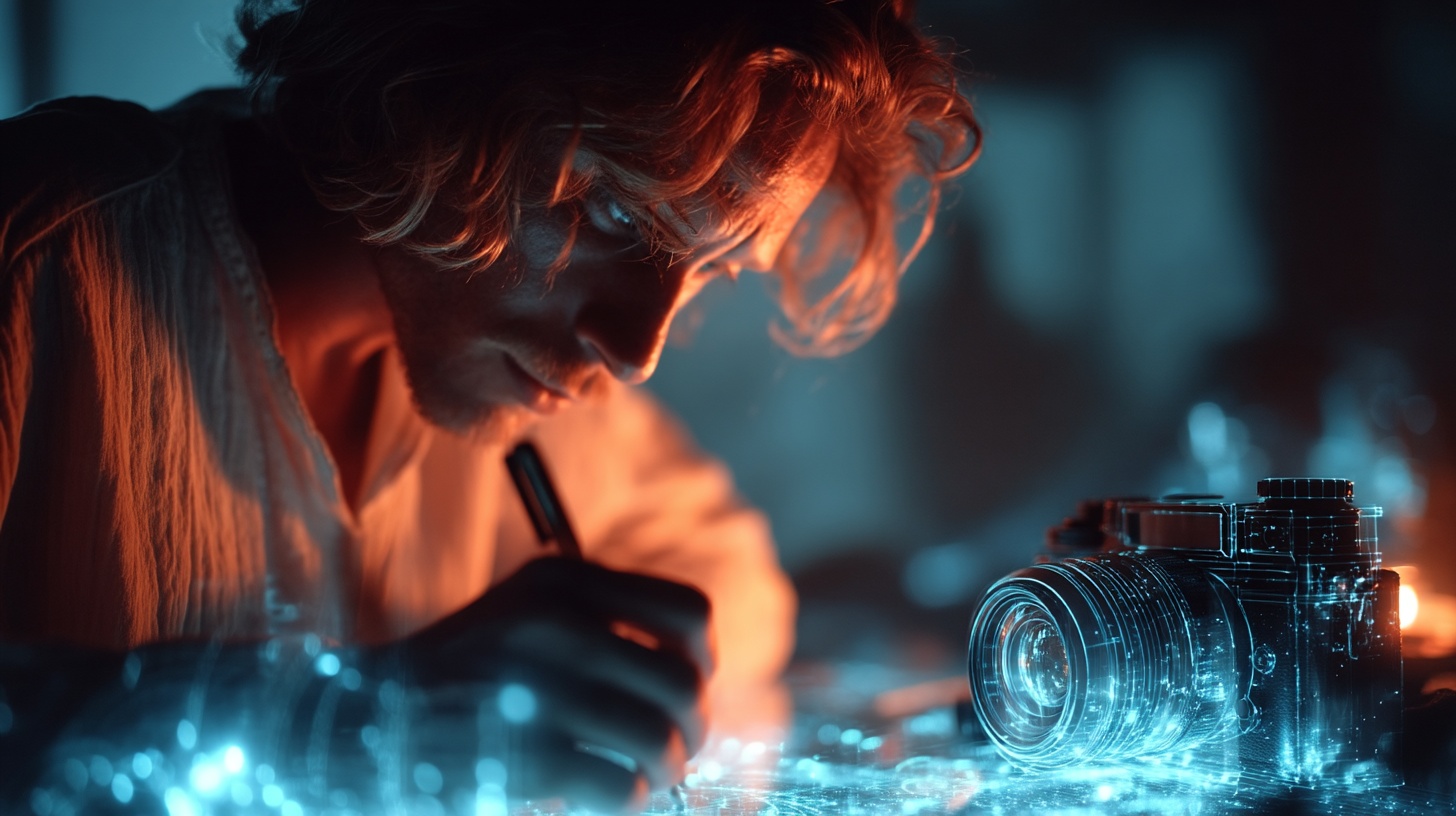
Artificial intelligence (AI) is transforming creative industries, and photography is no exception. In an era where companies constantly need high-quality visual content for business, the debate between using AI-generated imagery and hiring a professional photographer is growing. Whether you’re capturing the neon energy of Times Square or the sophisticated architectural lines of SoHo, a real photographer brings the human touch and authenticity required to create truly impactful visual content that AI simply can’t replicate.
But how can you leverage these new tools without losing that essential authenticity? This guide explores practical and ethical ways for photographers to use AI to save time, boost creativity, and grow their business — without compromising trust or artistic integrity.
What is AI in photography?
AI in photography refers to software that uses machine learning to automate or enhance parts of the photographic process. This ranges from simple editing aids like noise reduction and skin retouching to more advanced applications such as image culling and background replacement.
It’s important to distinguish between AI-assisted editing, where the photographer maintains creative control, and AI-generated images, where the AI creates content from scratch. For a photographer specializing in professional profile photo against the iconic backdrop of the Financial District or DUMBO, AI-assisted editing can be a game-changer — speeding up workflows while still allowing the photographer’s expertise and artistic vision to shine through.
Why should photographers use AI?
AI isn’t here to replace photographers — it’s here to help you work smarter. Benefits include:
- Time-saving: Automate tasks like culling and basic retouching.
- Consistency: Maintain a uniform look across images, whether shot in the bright lights of Midtown or the leafy streets of West Village.
- Business growth: Use AI-powered tools to boost marketing, SEO, and client engagement.
- Creative support: Generate mood boards or visual previews to share ideas with clients.
With AI, photographers can focus more on capturing moments, telling stories, and building relationships.
Practical ways to use AI in your photography business
Learn how AI can simplify your workflow, enhance editing, and improve client experiences.
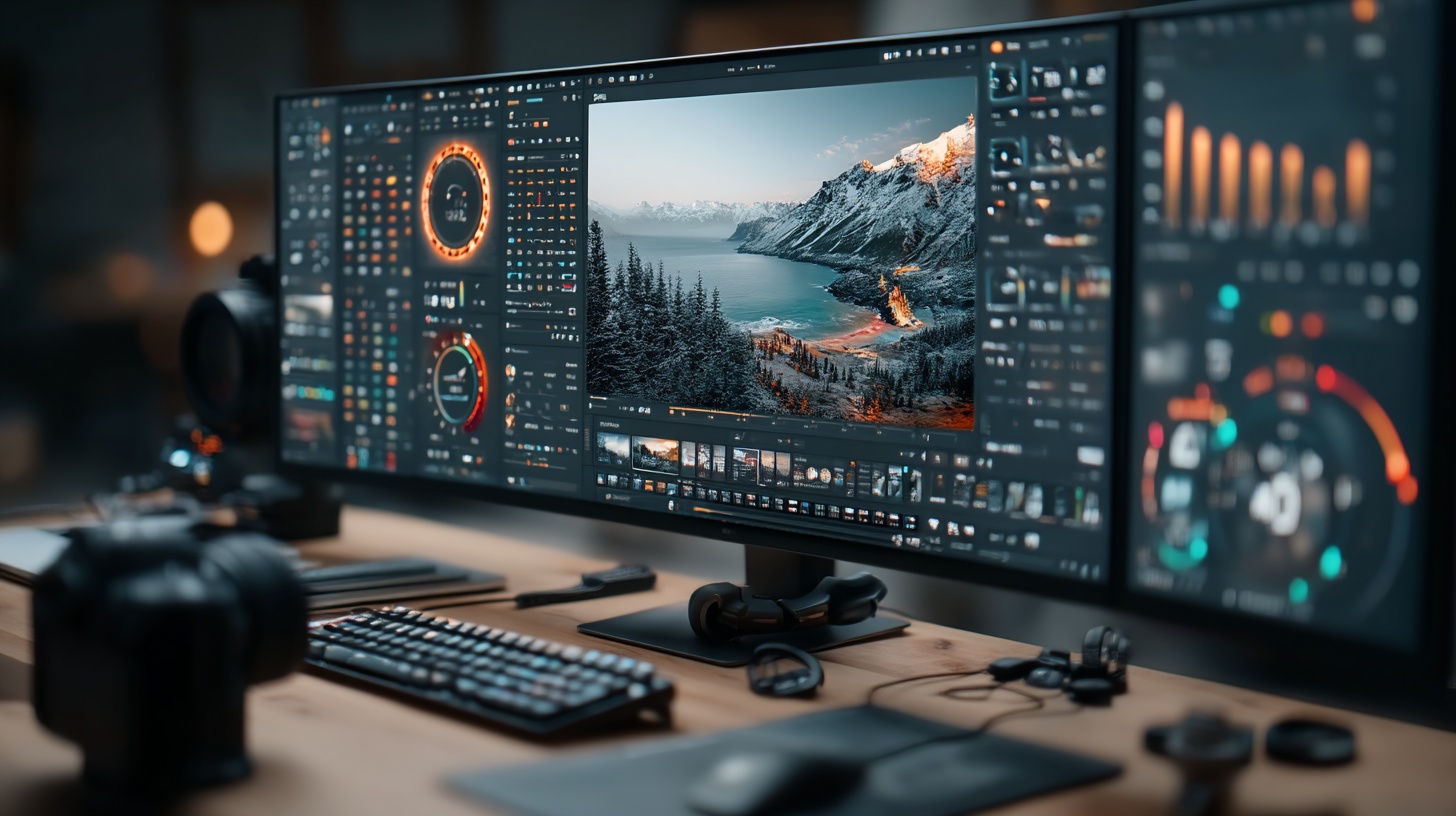
1. Streamline your workflow and editing:
- Culling and sorting: Tools like AfterShoot or Narrative Select quickly find top shots, saving hours of work.
- Smart retouching: AI tools like Evoto AI, PortraitPro, or Luminar Neo handle blemishes, skin smoothing, and tone balancing naturally.
- Noise reduction and upscaling: Fix low-light photos, like those taken in a dim Lower East Side jazz club, with AI sharpening tools.
2. Boost marketing and business growth:
- Content creation: Use AI writing tools to draft blog posts about locations like Central Park, then refine them with your voice.
- SEO optimization: Let AI suggest keywords (e.g., “NYC lifestyle photographer”), write meta descriptions, and boost search rankings.
- Client communication: Automate FAQs and emails with chatbots, freeing up time for shoots.
3. Enhance the client experience:
- Personalized previews: Show how portraits from Chelsea would look framed or as wall art to increase product sales.
- Background clean-up: Remove distractions like trash cans or tourists for polished results, perfect for Upper East Side boutique shoots.
- Mood boards and planning: Use AI to create visual concepts and align with clients before a shoot.
The ethical side of AI in photography
With new tools come responsibilities. Photographers should:
- Be transparent: Let clients know when AI is used for major edits.
- Avoid misrepresentation: Don’t use AI to alter events or change reality, especially in weddings or documentaries.
- Protect client data: Only use secure, GDPR-compliant platforms.
- Keep the human touch: Clients value your unique vision — AI should assist, not dominate.
The future of AI in photography
AI will continue to improve cameras and editing tools, making workflows faster and smarter. But photography remains about creativity, connection, and storytelling. AI can streamline the process, but it’s the photographer who makes a shot of the Brooklyn Bridge at sunset truly meaningful.